
Filmless Plywood
COUNTRY OF ORIGIN:
Russia
WOOD SPECIES:
Birch
PLYWOOD GRADE:
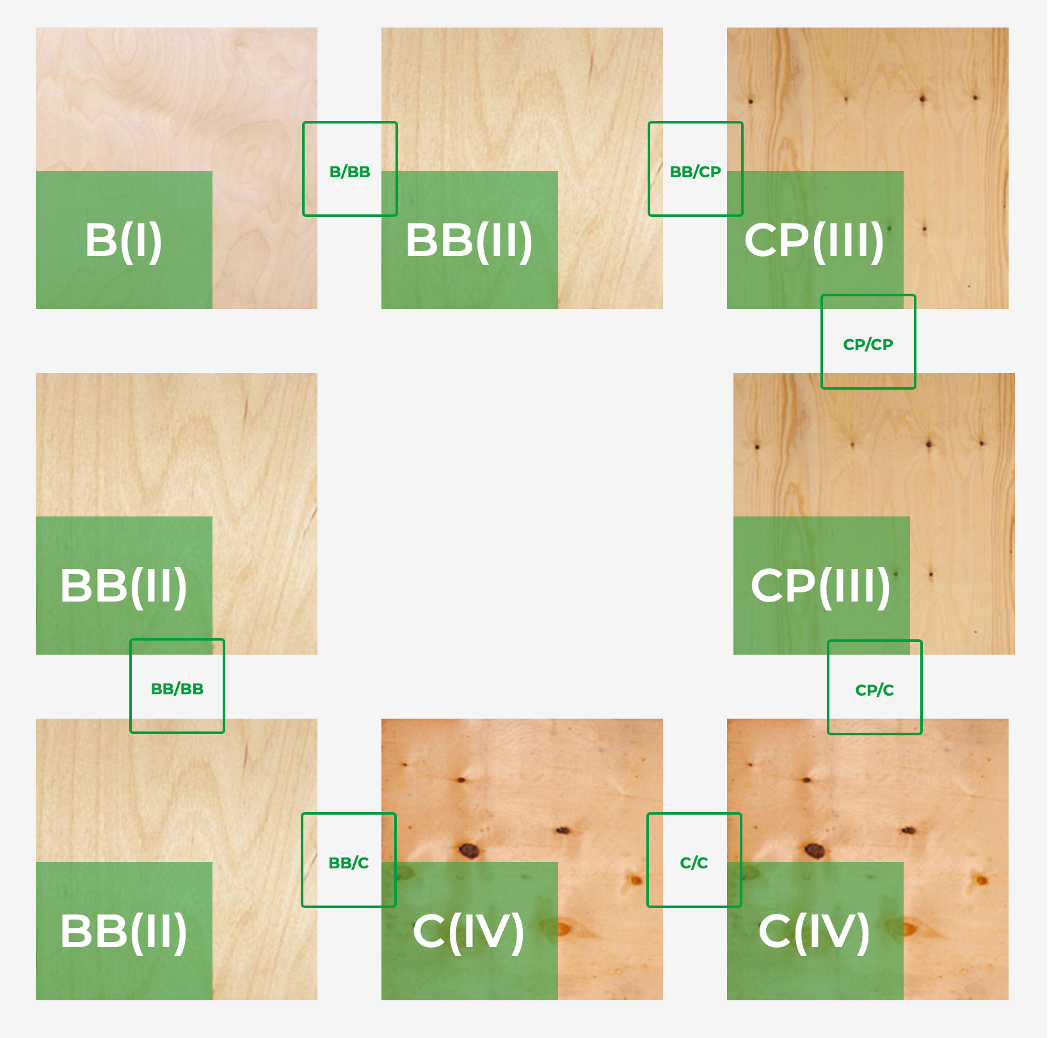
I/II (В/ВВ), II/II (ВВ/ВВ), II/III (ВB/CP), II/IV (BB/C), III/III (CP/CP), III/IV (CP/C), IV/IV (C/C)
WIDTH X LENGTH:
1250x2500mm – 1220x2440mm
THICKNESS:
4 – 30 mm
LAYER COUNT:
3 – 21
GLUE TYPE:
WBP – Water Boiled Proof
SURFACE TYPE:
Unpolished, with both sides sanded
This is a waterproof plywood made using phenol-formaldehyde resin-based glue. We only use birch veneer for its production. The material has characteristics such as wear resistance, ease of machining, light weight, and high performance.
The material is safe for human health. Low formaldehyde emissions confirm its ULEF status given by CARB.
• B/BB– B grade plywood sheets have almost no defects on one side, with a minimum number of knots allowed; on the second side of the BB grade, a few defects can be filled with birch veneer patches selected according to the color.
This quality of plywood is commonly used in furniture production, interior decoration, and other places where the appearance of elements is important. It is perfect for applying transparent, colored, and other paints and varnishes that will highlight its excellent look.
The material is made of several layers pressed together. It has two sides of different surface processing quality. You will find sanded material for installation areas where appearance is important.
There are areas covered with birch veneer in addition to knots removal on the plywood. These parts of the plywood are no different from the rest of the surface. Surface finishing with special paints and varnishes is allowed.
The main advantages of ½ plywood are:
– High strength,
– Good protection against mechanical damage,
– Beauty of design,
– Durability.
Products are supplied to the furniture industry. Customers are often companies involved in facility renovation.
• BB/BB– There are definitely limited defects on both sides of the sheet with a few knots allowed to be filled with birch veneer patches selected according to the color.
This grade of plywood can be used where it is necessary to combine the good appearance of birch plywood with its outstanding mechanical and physical properties. It is excellent for using varnishes, coloring compounds, and paints. It is used to cover valuable wood species and in film lamination.
The material has two BB-rated sides. Durable overlay plates are used in production that protects against strong pressure, damage, and other external influences.
The surface is smooth, perfect. Small traces from knots are filled with veneer patches. Coloring up to 70% of the sheet area is allowed. Transparent varnishes and multi-colored paints can be used. It is generally used as a base for covering more valuable wood species.
– It has various advantages:
– Easy to use in additional processing;
– Good geometry, easy to work with;
– Resistance to loads, water penetration, and other effects.
FSF birch plywood 2/2 is generally used in furniture production. It is suitable for assembling interior and exterior elements.
• BB/CP– This type of plywood is often used in furniture production, interior design, and other situations where only one side of the element is visible, making it possible to obtain perfect appearance of the product at an affordable price.
There are two sides of the sheet, one corresponding to the BB rating, and the other to the CP rating. Each has its unique features:
BB. It is used for decoration. Up to 70% of the surface can be covered with transparent varnishes or colored paints. All small defects are repaired with birch veneer. Sanding is possible. The sheet is smooth and even.
CP. It is often used where aesthetics is not critical. There may be small cracks on the surface. Film coating and painting are allowed.
The sheet is made of high-quality materials, has good moisture resistance and durability. The main application areas are the furniture industry, repairs, and interior lining.
• BB/C– Plywood is used where the second side of the sheet is hidden. It is often used for various floor coverings, including furniture elements such as parquet floor, and commonly used in construction. Flashings, structural elements, and assembly structures can be made from this.
Since the two sides of the material are processed differently, it is suitable for applications where both sides of the sheet do not require high quality processing.
Processing Types:
–BB: A decorative piece used mostly in the front. It is well processed, can be sanded. Small cracks are repaired and knotty traces are covered with birch veneer. It can be painted up to 70% of the area. There are almost no restrictions on composition, which can include transparent varnishes or colored paints.
–CP: Small cracks and holes may need to be filled with putty. The defects are not very visible, but their consideration is required if it is planned to be processed with film lamination or other methods.
The material is often used as the base layer on which the final floor covering is laid. It can be used as scaffolding, installation structures, and as a part of flooring.
• CP/CP– It is widely used in furniture production, construction, and renovation. This type of plywood is usually used as a base for laying floors such as parquet, laminate, and others. It is used to process various films, coatings, and plastics.
Both sides of the sheet are processed in the same way. The processing type is classified as CP-class. The main characteristic is that some small irregularities such as cracks and knotty traces on the surface are allowed to remain. They are not sanded but can be filled with putty and other materials.
A properly processed surface can be painted or laminated with film. It can be covered with coatings and plastics. The main application areas are:
– Creating inner frames for furniture;
– Laying a rough layer as a base for finishing flooring;
– Installation for single-use mold.
The product has good strength, does not crack, bend, and is designed for long-term use.
• CP/C- It is one of the most demanded types of plywood in construction and renovation. It is used for floor and roof coverings and single-use molds. There is demand for its use in “bobbin” production for cables.
The edges of the materials are completed in different ways:
– CP: The material may have various small cracks and indentations, can be sanded, covered with plastic or various films; the standard version of the putty is very suitable for filling irregularities;
– C: It is used where surface processing is not important. Wood defects may remain.
The main application areas are creating single-use molds, structural elements, base for subsequent finishing of flooring; interior decoration – wall covering.
• C/C- The presence
Fast Quote System
You can quickly create a quote request by filling out our offer form and sending it via WhatsApp or email.